Atmospheric composition
Advanced measurements of aerosols, trace gases and greenhouse gases supporting atmospheric process studies.
Our research group welcomes collaborations with researchers, research teams, and institutions from across Europe and beyond through Transnational Access (TNA) opportunities, in the frame of European and international research infrastructures and projects.
As part of Greece's participation in ACTRIS ERIC — the Aerosol, Clouds and Trace Gases Research Infrastructure — our facilities contribute to the European network of advanced atmospheric observation infrastructures.
Following Greece's accession to ACTRIS ERIC in April 2026, new opportunities have emerged for scientific collaboration, access to harmonized observations and services, and the use of high-quality atmospheric data within Europe's leading research infrastructure for atmospheric sciences.
Our infrastructure combines sophisticated atmospheric observation systems with state-of-the-art instrumentation for atmospheric composition, aerosols, trace gases, greenhouse gases, air quality and remote sensing.
Advanced measurements of aerosols, trace gases and greenhouse gases supporting atmospheric process studies.
Integrated observational capabilities for intensive campaigns, long-term monitoring and instrument validation.
Infrastructure supporting controlled studies, atmospheric characterization and method development.
Evaluation, intercomparison and validation of atmospheric instruments and innovative measurement technologies.
Access to atmospheric measurement infrastructure for targeted scientific campaigns and international experiments.
Specialized training on advanced atmospheric measurement techniques, instrumentation and data analysis.
APCG facilities contribute to Greece's participation in ACTRIS ERIC, strengthening access to harmonized atmospheric observations, high-quality data and international research services.
Access opportunities are offered through relevant European research infrastructure initiatives and funded projects, subject to the conditions and calls of each programme. Information on available access schemes will be announced as new opportunities become available.
APCG has hosted international researchers through European Transnational Access programmes, supporting collaborative atmospheric measurement, modelling and technology-development campaigns.

ATMO-ACCESS offered combined and integrated access to leading European atmospheric research facilities, including Observation Facilities, Simulation Chamber Facilities, Central Laboratories and Mobile Platforms.
Visit ATMO-ACCESSParticulates Infiltrating Residencies in Athens
Combined measurement and modelling campaign investigating infiltration of outdoor PM₂.₅ into residential environments in Athens.
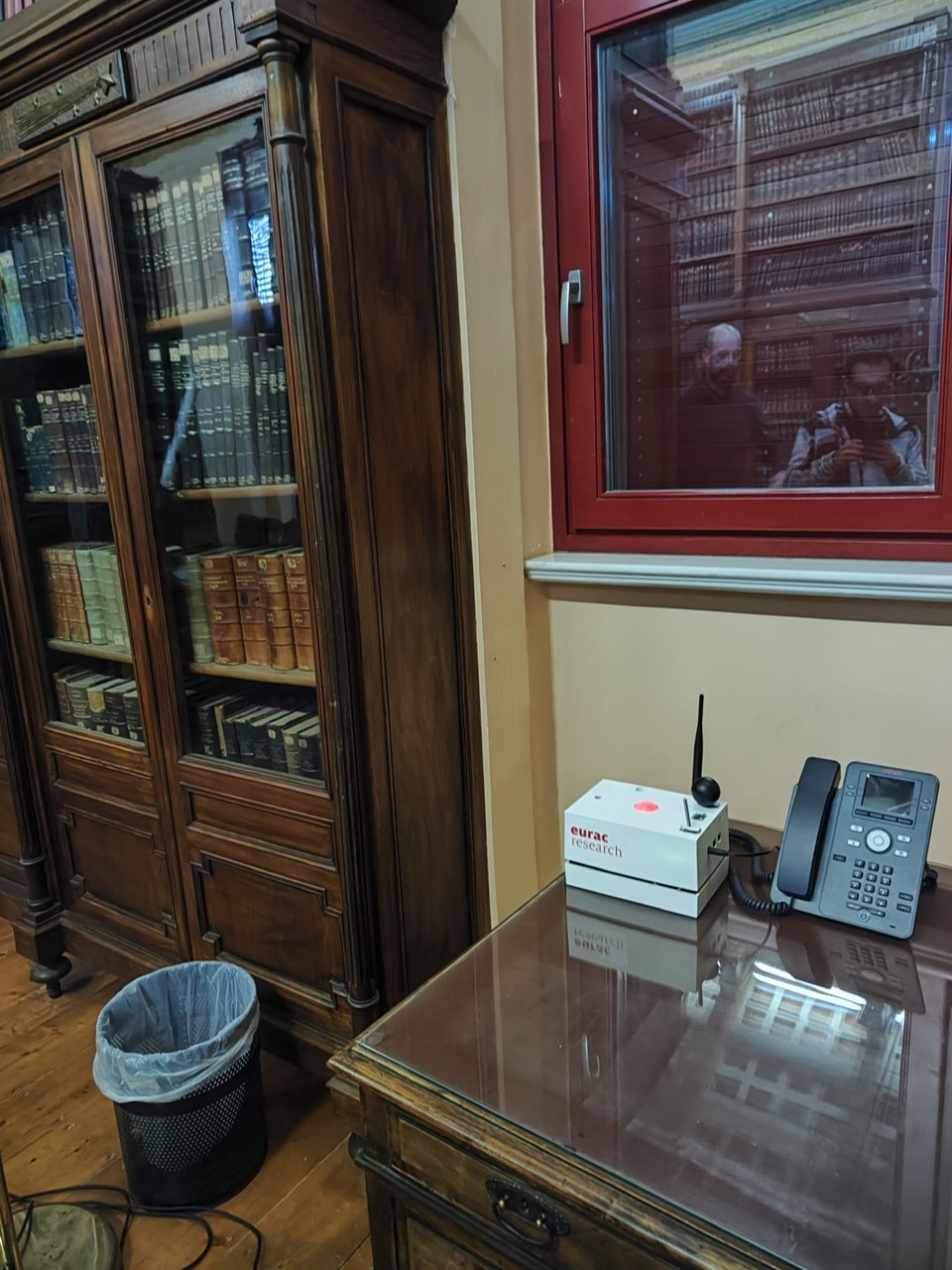
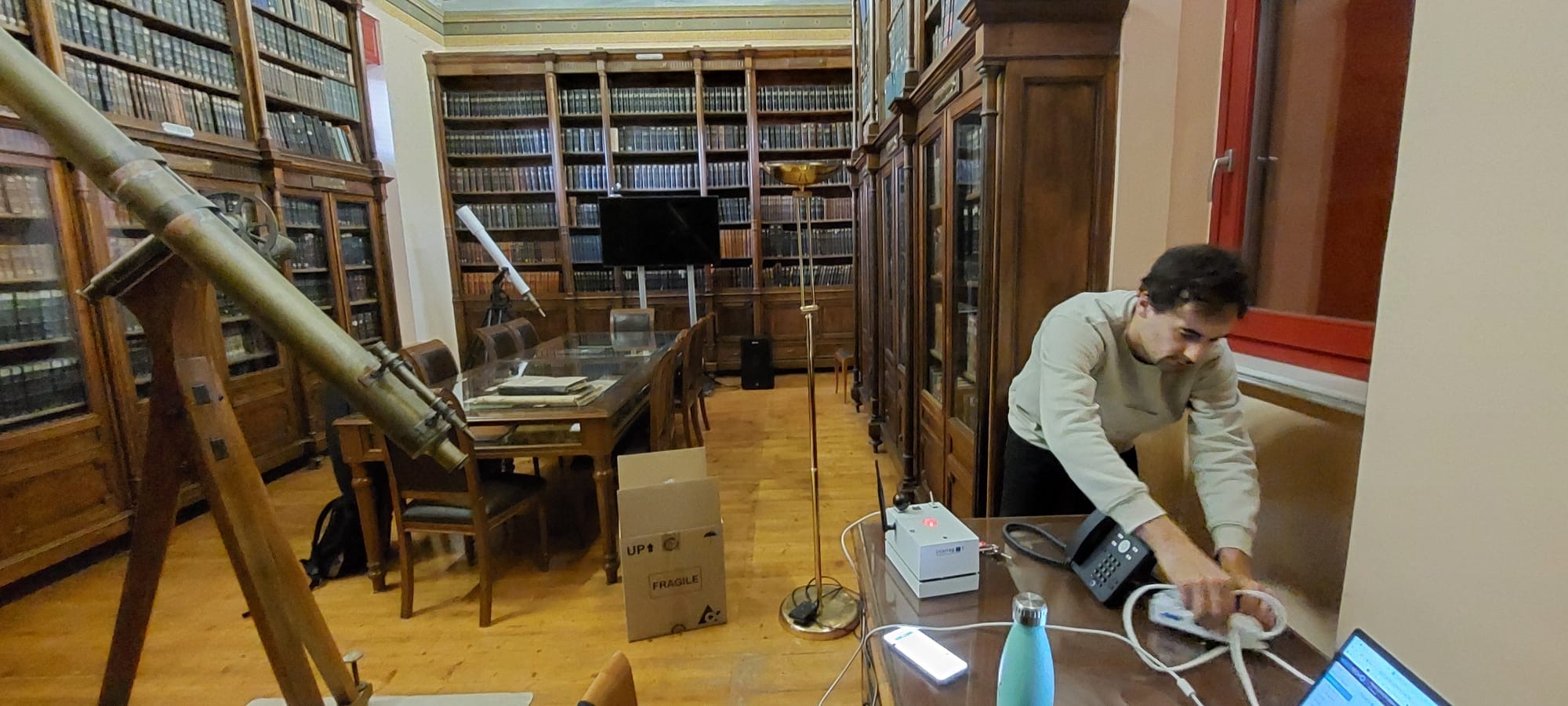
Atmospheric monitoring equipment was deployed to investigate the infiltration of outdoor air pollution into residential environments. The campaign provided hands-on experimental experience alongside Dr. Ramacher's main expertise in air-quality and exposure modelling.
The measurements collected during the campaign were subsequently analysed and integrated, in collaboration with APCG, into an exposure modelling framework.
Black-Brown carbon Aerosol Campaign Throughout Athens
Intensive field campaign investigating the physical, optical and chemical properties of black and brown carbon aerosols across Athens.
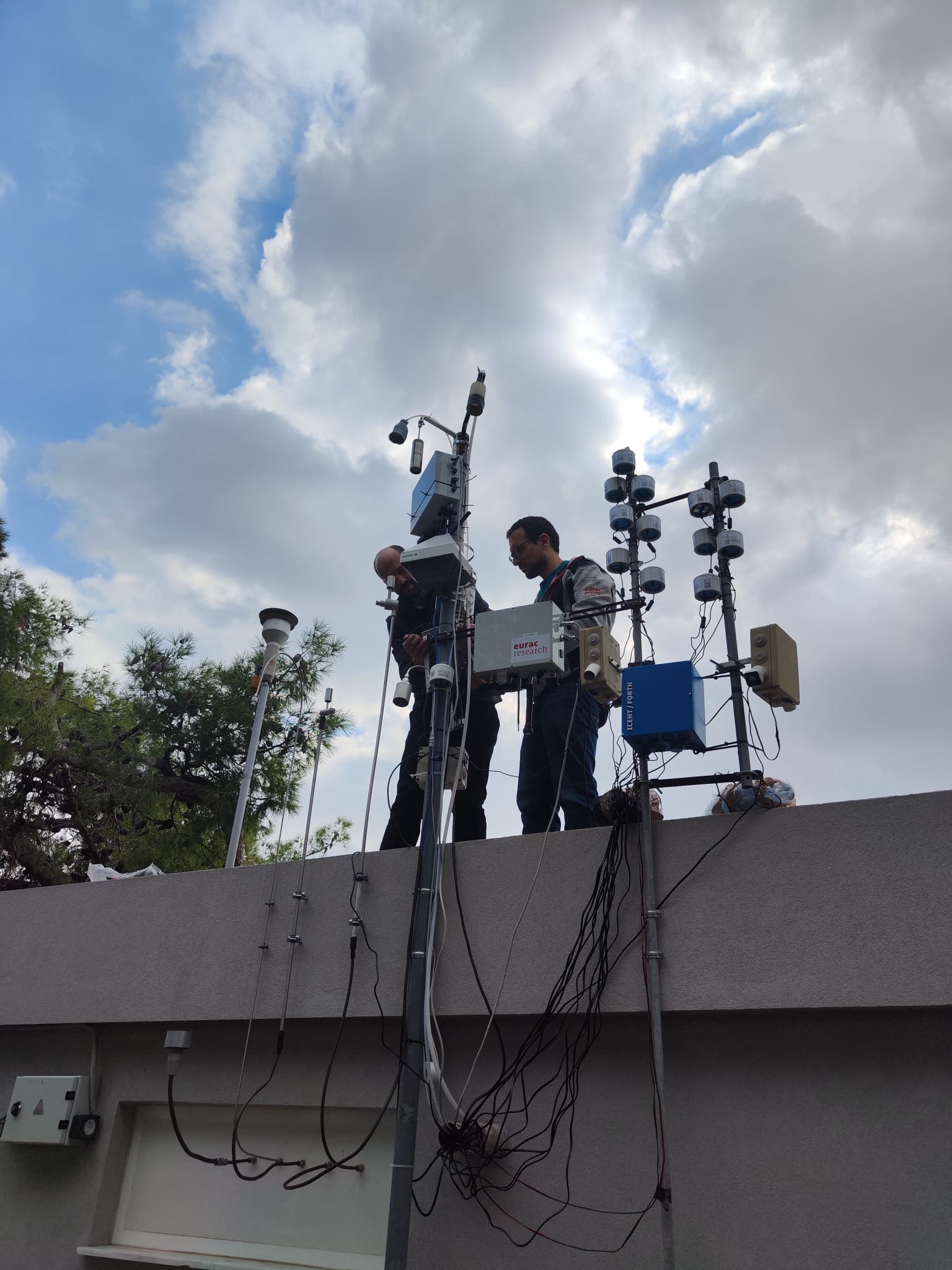
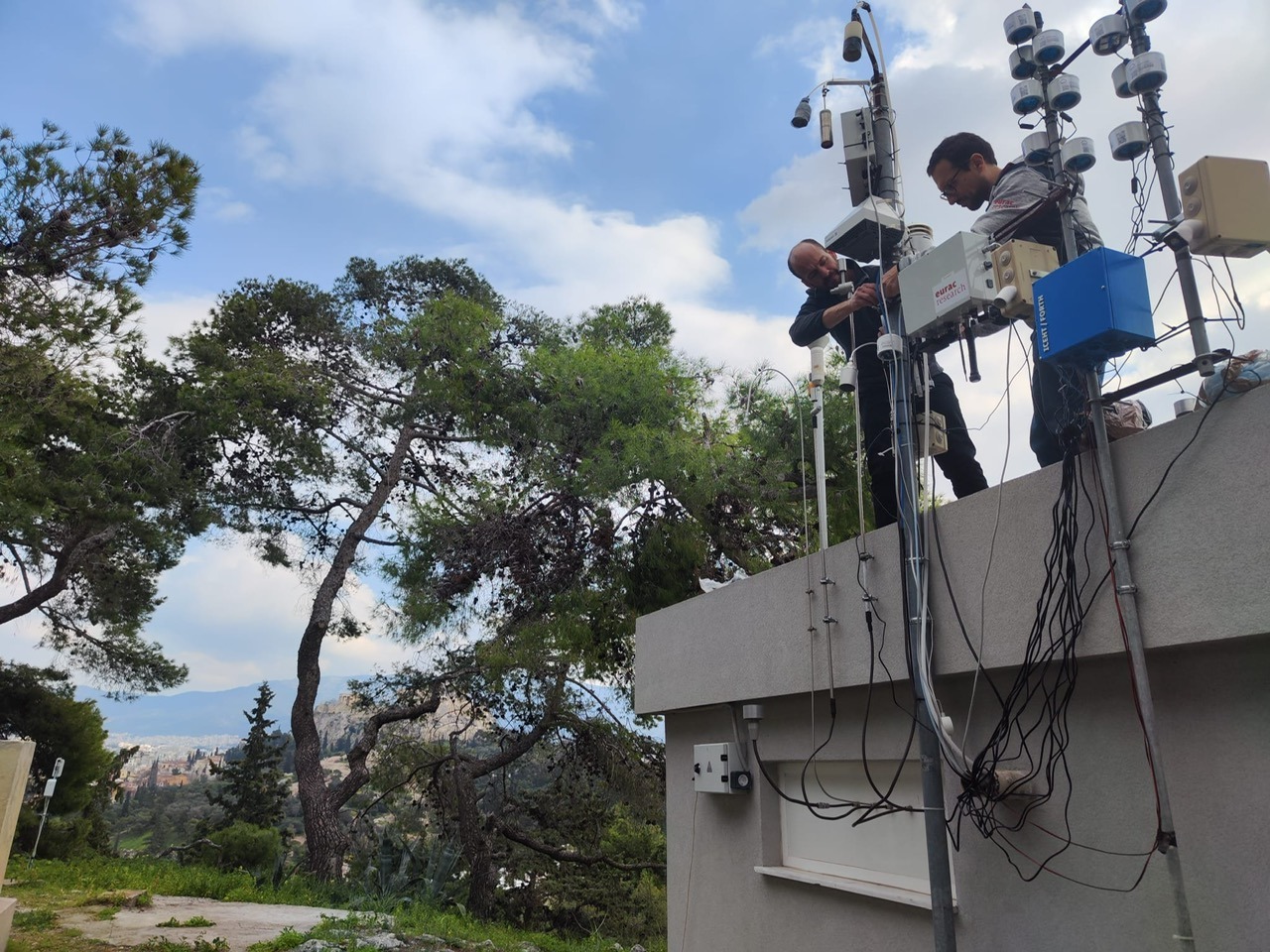
The project investigated the physical, optical, and chemical properties of black carbon (BC) and brown carbon (BrC) aerosols in the urban environment of Athens through an intensive field measurement campaign.
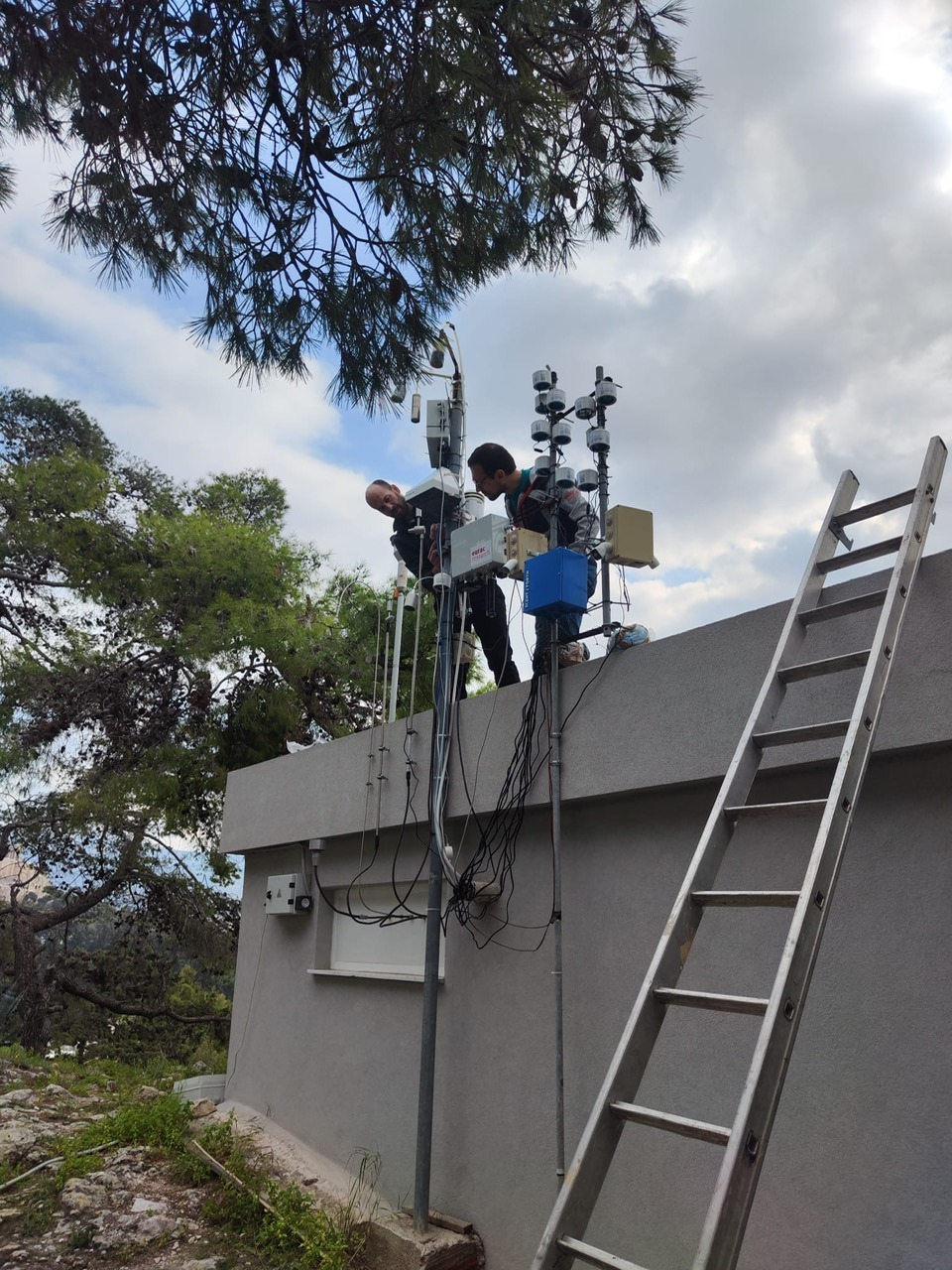
Advanced aerosol instrumentation deployed at the NOA atmospheric monitoring facilities was used to characterize carbonaceous particles from traffic, residential biomass burning and other combustion sources, improving understanding of their sources, atmospheric processing and impacts on air quality, climate and human health.
The campaign also supported validation of state-of-the-art measurement methodologies and strengthened international collaboration in atmospheric aerosol research.
Air Quality Utilizing Indoor AI Sensors
Evaluation and AI-based calibration of low-cost indoor and outdoor air-quality sensors under real atmospheric conditions.
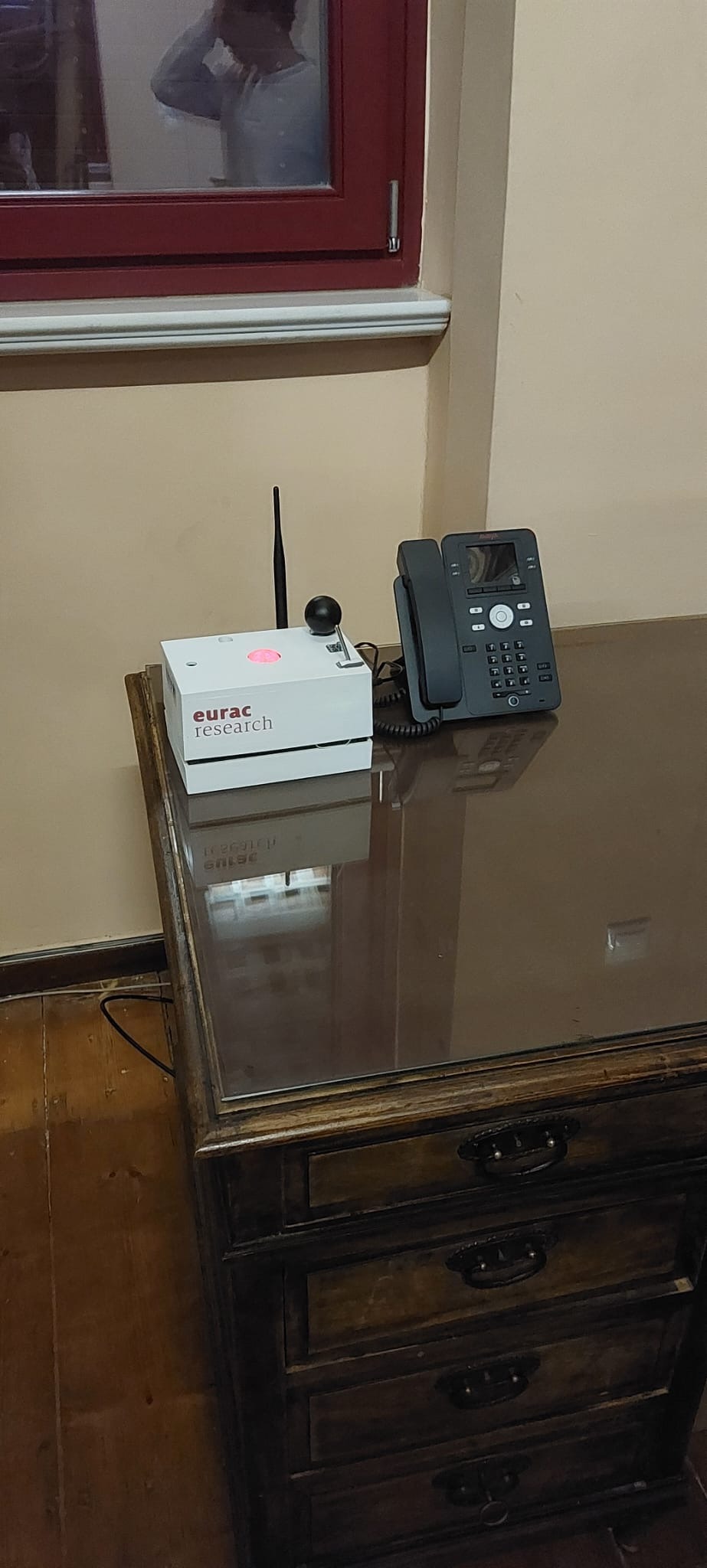
The project evaluated the performance and reliability of low-cost indoor and outdoor air-quality sensors by deploying the Environmental Quality bOX (EQ-OX) platform alongside the NOA reference monitoring infrastructure.
A key objective was to develop and validate artificial intelligence-based calibration algorithms capable of improving the accuracy of low-cost environmental sensors under real atmospheric conditions.
Measurements of gaseous pollutants, particulate matter and meteorological parameters were combined to assess sensor performance in indoor and outdoor environments, contributing to more reliable and cost-effective monitoring technologies for healthier and more sustainable cities.